
YOUTH MENTAL HEALTH SUPPORTTherapy for Adolescents, Teens, and Young Adults
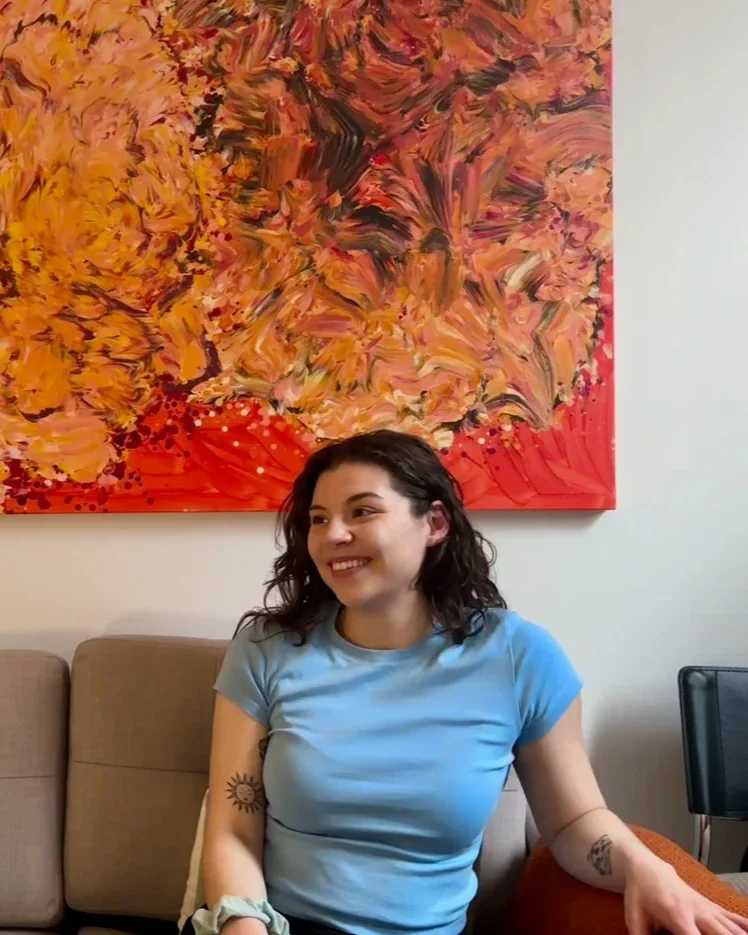
Therapy for high-achieving and overwhelmed young people to let go of pressure and build confidence that doesn't depend on your last result.
In-person in Williamstown & Online Australia-wide
How we can help
Individual Therapy
One-on-one mental health support for adolescents, teens, and young adults who are tired of pushing through overthinking, big emotions, and the pressure to hold it all together.
Workshops for teams, & sport organisations
Practicals sessions that help sporting communities support both performance and mental well-being, offering strategies to navigate pressure, confidence, and the emotional side of sport, while encouraging healthier team environments and mental skills athletes can carry beyond sport.
Our areas of focus -

ADHD & Executive Functioning Support
For when focus, motivation, and organisation feel like a constant battle. We work together to understand your brain, reduce overwhelm, and build strategies that help you feel capable, not constantly behind.
-

Anxiety & Overwhelm
For when your thoughts won’t switch off, your body is tense, and everything feels like too much. We help you find calm, feel more in control, and move through life without constant worry weighing you down.
-

Depression, Low Mood & Burnout
For when you feel numb, stuck, or just exhausted. We work to help you find clarity in the heaviness and reconnect with a sense of purpose and energy.
-

Life Transitions & Identity
For when everything is changing: school, friendships, sport, who you’re becoming. We help you navigate the uncertainty, process big emotions, and build confidence in who you are.
-

Self-Harm & Safer Coping
For when emotions feel so intense that hurting yourself seems like the only relief. We create safety and build new ways to cope, so you don’t have to carry the pain alone.
-

Athlete Mental Health & Performance
For when you love your sport but the pressure, comparison, or fear of failure makes it hard to enjoy. We support both your well-being and your goals, so you can feel grounded and confident both inside and outside of sport.
Our ToolkitEvidence-Based, Human First
Your experiences are unique, and your support should reflect that. Therapy at RYSE is never one-size-fits-all.
We draw from evidence-based approaches and real human connections to choose the tools that make sense for you, not just what looks good on paper. This is the “how” behind meaningful, sustainable change.

-
A relational approach that helps you understand repeating patterns in thoughts, emotions, and relationships, and how past experiences continue to shape them.
-
A practical, skills-based approach that supports you to notice unhelpful thought patterns and develop new ways of responding to stress, anxiety, and low mood.
-
A creative approach that offers another way to explore and express emotions when words are hard to find.
-
Practices that help you build awareness of your thoughts and body, creating space to respond rather than react.