
mental health support for athletes Therapy for Athlete Mental Health & Performance
In-person in Williamstown & Online Australia-wide

Recognising the SignsYou’re doing everything right. So why does it still feel like this?
The 5 am alarms. Training around uni, work, and a social life, running on fumes. The rehab exercises you actually did this time (we're proud of you).
From the outside, you're thriving. The one who has it all together. Still training. Still competing. Still saying "yeah, good" when someone asks.
Sound like you?
➜ Your confidence lives and dies by your last result. Good game? Great human. Bad game? Do not even ask.
➜ You hit the goal you chased all year, gave yourself a generous four seconds to enjoy it, then moved the goalposts.
➜ Your standards for yourself are brutal. You'd never talk to a teammate the way you talk to yourself.
➜ Mistakes in training take you from 0 to 100. You've teared up mid-session, frustrated with yourself for it, then been frustrated at being frustrated.
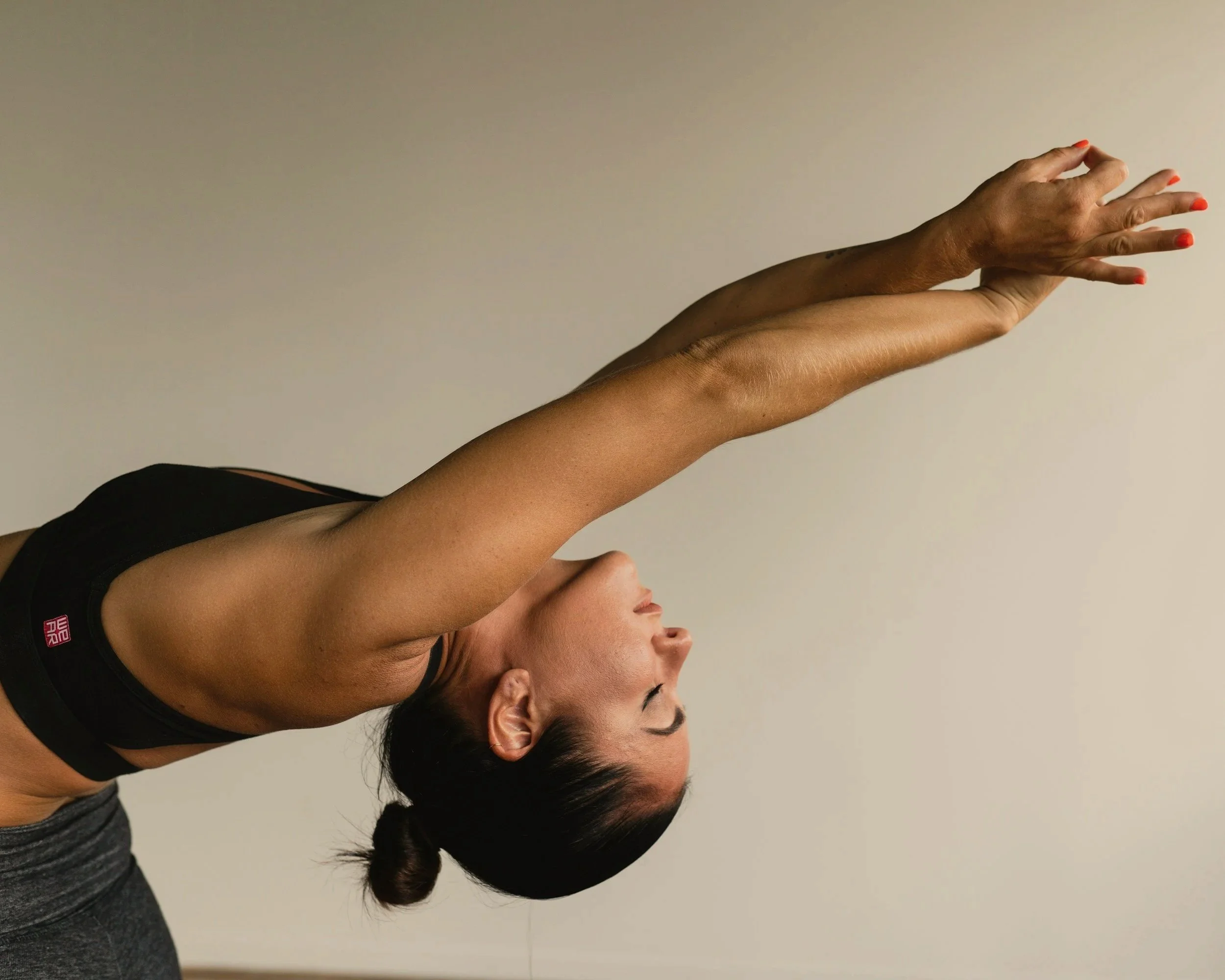
Understanding the workIt’s not about toughening up or fixing mindset flaws.
It’s about understanding how mental health, pressure, identity, and performance intersect, and supporting you to compete and live sustainably.
At RYSE, you don't have to choose between someone who gets sport and someone who gets mental health. We understand both worlds and work with all of you, not just the athlete part.
The TransformationFor athletes who've already tried the generic stuff.
If you've done the breathing, the self-talk, the pushing through, and it hasn't touched what’s really going on, this is for you.
With therapy at RYSE, you might notice:
-
It has less control over you and your training. It’s no longer running the show.
-
We work on understanding what's driving that pattern so you can go for it without fear getting in your way.
-
Cope with challenges without losing your sense of self or motivation.
-
Right now, every mistake feels like evidence that you’re not good enough. Over time, that starts to shift, we learn to shift the meaning behind mistakes and failure.
-
You've done the books, the routines, the self-talk. Now, it’s time to learn evidence-based strategies that work for you and your needs.
-
Therapy works on building a sense of self that is more stable than your last performance.
Your Questions Answered
-
Sport psychologists focus primarily on performance skills, focus, confidence, and pre-competition routines.
At RYSE, our background is in sport social work, so we work across both worlds. We understand the culture and demands of athletic performance, and we're trained to support the mental health sitting underneath it.
-
Yes to both. To access a Medicare rebate, you'll need a Mental Health Treatment Plan from your GP.
Once you have that, you're eligible for rebates on up to 10 sessions per calendar year.
At RYSE, we charge a standard fee with the Medicare rebate applied, meaning you pay the gap. If you're not sure where to start, we can walk you through what that looks like.
-
The short answer is no. Therapy at RYSE isn't about adding another demand to an already full schedule.
Most athletes find that understanding what's been driving the anxiety, the self-criticism, or the inconsistency actually frees up energy rather than consuming it.