
ADHD is a neurodevelopmental condition that can affect a teenager’s attention, organisation and impulse control; it's not a measure of effort or intelligence. Recognising persistent difficulties and arranging a thorough assessment can help families find appropriate support. For Melbourne families, that pathway now includes some specially trained GPs, alongside pediatricians, psychiatrists and psychologists. (healthdirect.gov.au)
At RYSE, we support young people with ADHD to work with their brain and not against. We support young people and their parents with practical and neurodiversity-affirming therapy! See how therapy for ADHD would benefit your young person!

How can you tell if someone has ADHD?
You can't tell whether someone has ADHD from occasional distraction, a teacher’s comment or an online checklist. Clinicians look for persistent symptoms that began in childhood, affect everyday functioning and occur across more than one setting. Anxiety, sleep difficulties and learning differences also need consideration because they can overlap with, or accompany ADHD. (healthdirect.gov.au)
ADHD symptoms in kids may become more noticeable when secondary school brings greater demands for organisation and independent study. A teenager who previously managed with close adult support might struggle to track assignments, remember equipment or begin homework without repeated prompting. This doesn't necessarily mean the difficulties started recently. (adhdguideline.aadpa.com.au)
Patterns worth discussing with a clinician include:
Inattention: losing belongings, missing instructions, daydreaming or leaving tasks unfinished.
Hyperactivity: persistent fidgeting, restlessness or difficulty staying seated.
Impulsivity: interrupting, struggling to wait or acting before considering consequences.
Daily disruption: repeated problems with deadlines, friendships or family routines (healthdirect.gov.au)
How is ADHD diagnosed in Melbourne?
An ADHD diagnosis in Melbourne involves a comprehensive clinical assessment, not a single test. A clinician considers developmental history, current difficulties, information from parents and teachers, and other possible explanations. Depending on the practitioner and the teenager’s needs, the pathway may involve a specially trained GP, paediatrician, psychiatrist or psychologist experienced in ADHD. (rch.org.au)
Victoria’s expanded GP pathway
From 26 October 2026, Victorian GPs who completed the endorsed training can diagnose and treat ADHD in adults and children aged six and over. This does not mean every GP offers ADHD assessments. Ask your practice whether a trained clinician is available, or consult the Victorian Department of Health’s participating-practice list. (premier.vic.gov.au)
Specialists remain part of the care pathway. Ask which practitioner suits your teenager’s age and circumstances, particularly where several conditions need assessment. If you are searching for a psychologist for ADHD in Melbourne, clarify whether the service offers diagnostic assessment, ongoing therapy or both; psychologists do not prescribe medication. If you want to have the option of medication; a peadiatrician or a child & adolescent psychiatrist might be the best fit.
We often suggest the peadiatrician/psychiatrist/specialist GP assessment pathway so that you don't have to pay for twice the testing! Which can often happen if you complete an ADHD assessment with a psychologist and then seek a medical provider assessment.
Preparing for the appointment
The clinician needs a picture of life beyond the consulting room. Ask the clinic what to bring, then prepare:
Concrete examples: describe what happens, how often and what it affects.
School information: gather reports and teacher observations, including earlier records where available.
Health history: note sleep patterns, existing conditions, medicines and previous assessments.
Your teenager’s priorities: ask what feels hardest and what they would like help changing. (adhdguideline.aadpa.com.au)
Questionnaires can contribute useful information. Ask whether further appointments or additional assessments are needed before conclusions and a treatment plan are discussed. (adhdguideline.aadpa.com.au)
Medication access requires a treatment plan
If you are wondering how to get ADHD medications, start with an assessment and a conversation with an authorised prescriber. Medication is not automatically prescribed after diagnosis. The clinician should consider symptoms, health history, likely benefits and potential side effects with the teenager and their family. (healthdirect.gov.au)
ADHD medication options can include stimulant and non-stimulant treatments. Stimulants can improve attention and impulse control; non-stimulants may suit some people when stimulants are unsuitable or poorly tolerated. Regular review helps your prescriber assess benefit and monitor issues such as appetite changes or sleep difficulties. (healthdirect.gov.au)
Victorian prescribing rules changed on 14 October 2026. For non-drug-dependent patients, GPs and nurse practitioners can prescribe ADHD psychostimulants without a Schedule 8 permit when following a valid ADHD treatment instruction from an authorised practitioner. SafeScript monitoring continues, and exceptions apply. Confirm who will initiate treatment, provide repeat prescriptions and arrange reviews. (health.vic.gov.au)
Everyday support belongs alongside clinical care
Managing ADHD in children and teenagers involves more than prescriptions. Psychological support, positive parenting strategies and school adjustments can address practical difficulties and strengthen skills. Involve your teenager in choosing strategies rather than imposing an elaborate system they can't sustain. (rch.org.au)
Try a shared approach:
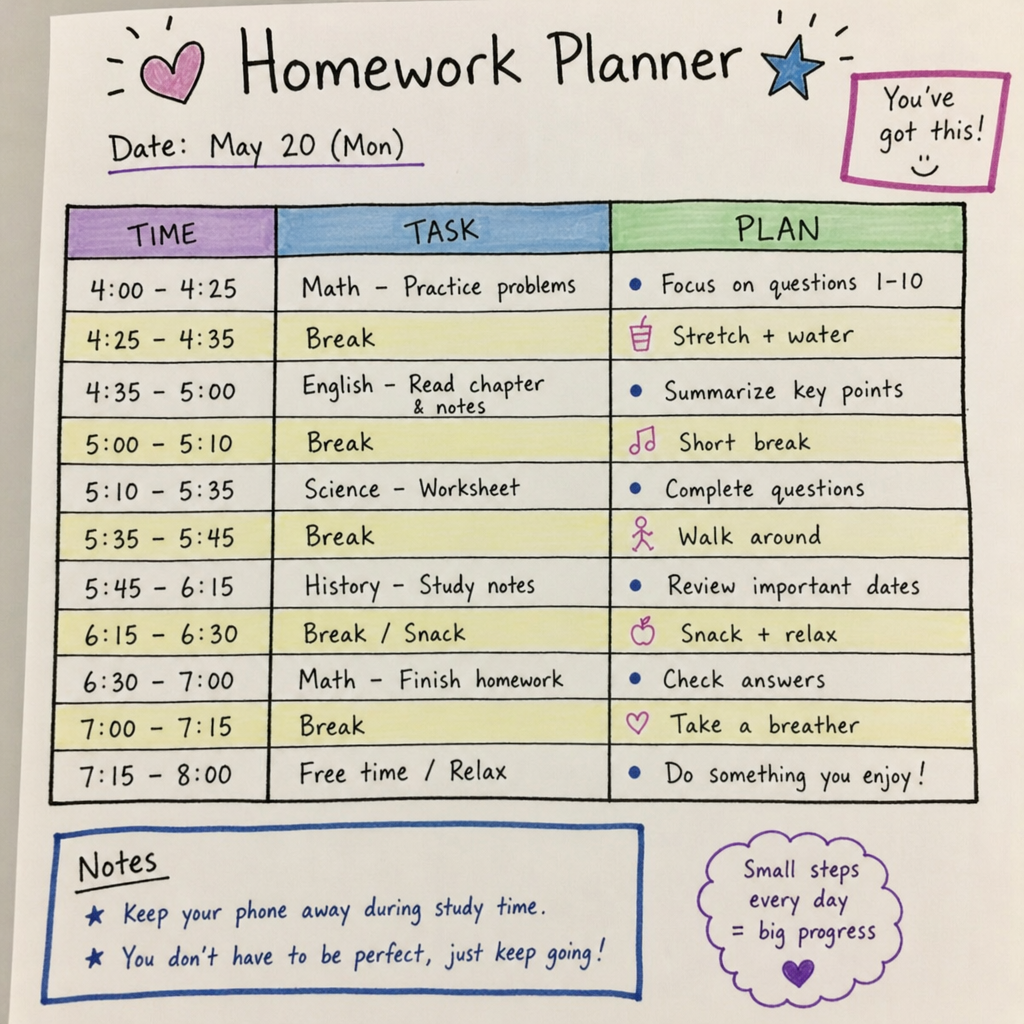
Make instructions manageable: give brief directions and break larger tasks into smaller steps.
Externalise organisation: use a visible planner, reminders and consistent places for school essentials.
Reduce the demand: work together to determine how you can make it seem less heavy of a task, can the steps be reduced or can we make the action easier to access?
Work with school: discuss written instructions, seating, movement breaks and regular communication.
Protect routines: support consistent sleep and meals, while recognising effort and progress. (rch.org.au)
Focus on strengths: young people with ADHD are often told far more pieces of negative criticism compared to their peers at school, in sport, and in social settings, be sure to support your teen in identifying their strengths.
Plan for costs, waiting lists and continued care
Before booking, request the full assessment fee, likely follow-up charges and any applicable Medicare rebates. Ask about referral requirements, cancellation lists and whether telehealth suits the teenager’s assessment and ongoing care. Psychology and psychiatry services may offer telehealth, but confirm availability rather than assuming it means a shorter wait.
The next step: book a GP appointment, bring examples and include your teenager’s concerns. Aim for an explanation and a workable care plan, not just a label.
About the Author
Hey, I’m Emma. I’m an Acreditted Mental Health Social Worker in Melbourne supporting young people with ADHD. Book your free consultation with our team to get support for your teenager’s ADHD!